Flour, Fruit and a Full Kitchen: Stir-Up Sunday Comes to St Margaret's
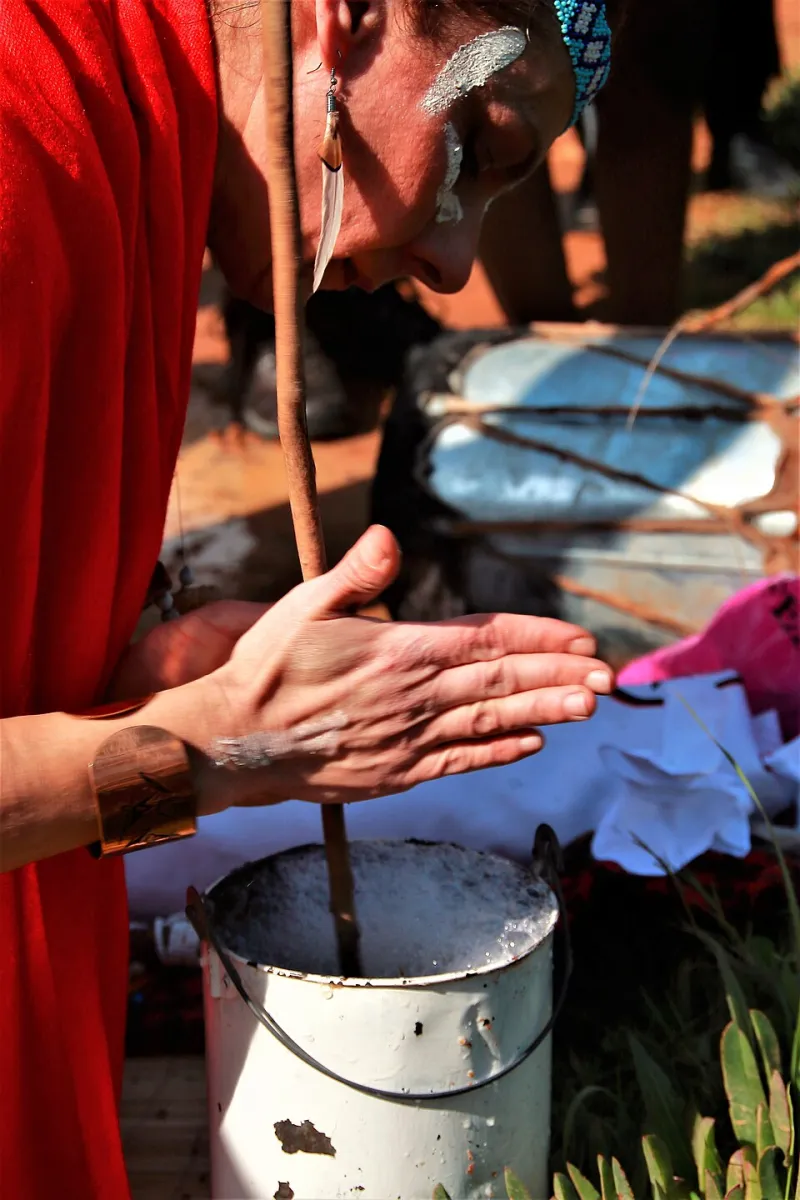
Photo: Kgara Kevin Rack, CC BY-SA 4.0, via Wikimedia Commons
There is a particular smell that fills the north aisle of St Margaret's on the last Sunday before Advent. Cinnamon, mostly. A bit of orange peel. Something dark and treacly that gets into your coat and follows you home. It arrives long before the service ends, drifting out of the kitchen door whenever someone props it open with a chair.
This year, Stir-Up Sunday falls on 22 November 2026. Advent begins the following Sunday, 29 November, so the 22nd is our last ordinary Sunday before the season turns. Which makes it exactly the right day to make a Christmas pudding in company.
Why a pudding, of all things?
The name comes from the old Book of Common Prayer collect for that Sunday: "Stir up, we beseech thee, O Lord, the wills of thy faithful people." Generations of congregations heard those words and went home to stir the Christmas pudding, because the timing worked — you wanted it made weeks ahead so it could mature, be fed with brandy, and be steamed again on the day.
It is one of those lovely accidents of church life where the prayer and the kitchen ended up in the same sentence. We rather like that at St Margaret's. We are a community that prays and a community that eats, and we have never been especially interested in keeping the two apart.
What actually happens on the day
The pattern is simple and it has not changed much in years.
- 10am — the usual Sunday service. Expect the pudding to get a mention.
- 11.30am — the kitchen opens. Aprons out, tables wiped, bowls down.
- 11.45am — we mix. Everyone gets a stir and a wish. Children get the wooden spoon first, because they ask first.
- 12.45pm — puddings into their basins, covered and labelled, ready to be steamed at home or in the hall kitchen.
- 1pm — soup, bread and whatever cake was left over from Saturday.
You do not need to bring anything except yourself and, if you have one, an apron. If you have a pudding basin gathering dust at the back of a cupboard, bring it — we always run short. Wooden spoons are welcome but not compulsory; we have a drawer of them that seems to breed.
The recipe we use
It is an old one, hand-written on a card that lives in the kitchen noticeboard and has been copied out more times than anyone can count. Roughly:
- 350g mixed dried fruit
- 100g candied peel, chopped
- 1 cooking apple, grated
- 100g shredded suet
- 75g soft brown sugar
- 75g breadcrumbs
- 2 eggs, beaten
- 50g chopped almonds
- zest of one orange and one lemon
- 1 tsp mixed spice, a pinch of salt
- A good slug of brandy or dark ale
Mix it all together, stir it well, let everyone have a turn, cover and steam for hours. Feed it with a little brandy every fortnight until Christmas. The full method is printed on the cards by the door — take one home. Nothing about this recipe is precious. Swap the suet, skip the nuts, use whatever dried fruit is going cheap. It will still work.
The kitchen that keeps giving
Here is the part we are quietly proudest of. We do not make one pudding. We make somewhere between forty and sixty.
Some go home with the people who made them. Some are sold after the carol service to raise money for the winter fuel fund, which helps a handful of older neighbours keep the heating on through January. Some are wrapped and delivered by volunteers in the week before Christmas to people who would otherwise spend the day alone — a list that is drawn up quietly, by people who know who needs it, and never read out loud.
Bola, who has run the pudding table for nine years, puts it this way: "I came the first time because my mother made puddings and I missed the smell of it. Nine years later I come because I know who's getting number fourteen. That's all it is. You know who's getting number fourteen."
Why shared cooking matters in a city this size
London is very good at letting you be busy and alone at the same time. You can live here for a decade and never once stand shoulder to shoulder with someone, doing something slow with your hands.
Stir-up Sunday is a small corrective to that. It takes about an hour and a half. It asks nothing of you but attention. And it produces something you can give away, which is a rarer feeling than it should be.
If you cannot be there
Plenty of people cannot make a Sunday morning, and that is fine. There are other ways in:
- Donate ingredients. Dried fruit, suet, sugar and brandy all get used. Leave them at the welcome desk any Sunday in November.
- Sponsor a pudding. £6 covers the ingredients for one, which then goes out to a neighbour.
- Help with deliveries. The week before Christmas, we need drivers and walkers with a bag and half an hour to spare.
- Come to the carol service on 20 December, when the puddings get sold and the whole thing is rounded off properly.
Stir-up Sunday is not a performance. It is a kitchen, a bowl, and a room full of people who have decided to make something together rather than buy it. If you have ever wanted to see what St Margaret's feels like on a normal, slightly messy, floury Sunday — this is the one to come to.
Bring a spoon. We will find you a job.