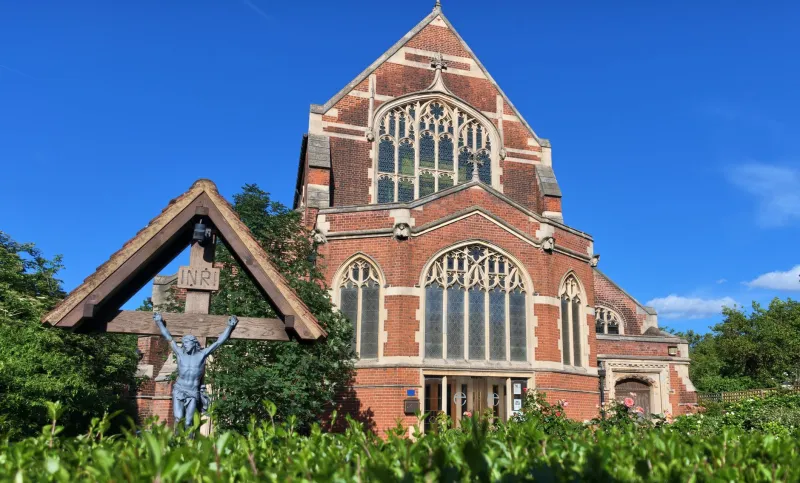
Above the Traffic: A First Morning in St Margaret's Bell Tower
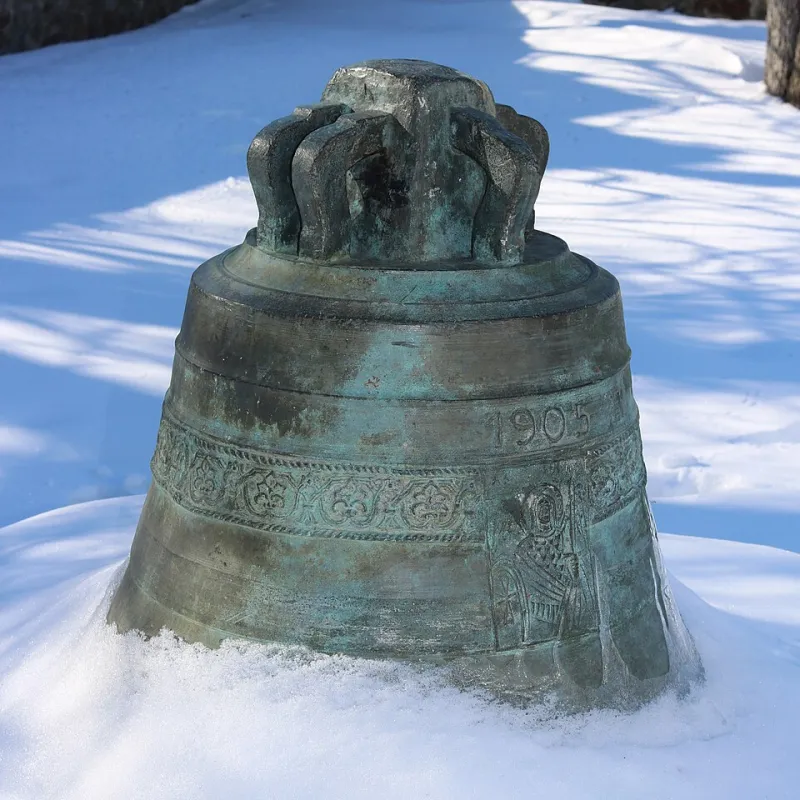
Photo: George Chernilevsky, CC BY 4.0, via Wikimedia Commons
At 9.15 on a grey Saturday morning in 2026, the rain is doing that London thing where it cannot decide between drizzle and proper downpour. I am standing at the foot of the tower at St Margaret of Antioch, wondering whether I have made a mistake. Above me, the bells are silent. Inside, a kettle is already clicking off.
I have come to learn to ring. Not to perform, not to become a campanologist overnight, but to see what actually happens when neighbours hear that familiar peal across the rooftops. The answer, I discover, begins with a staircase, a warm hello and a rope that looks much longer up close.
The stairs, the kettle and the first hello
The ringing room is not grand. It is a practical space with a scrubbed floor, a noticeboard of practices and a row of ropes hanging through holes in the ceiling. Each rope has a brightly coloured woollen grip — a sally — at chest height. They look friendly enough. They are not.
The tower captain is a patient Londoner who has been ringing here for decades. She does not begin with technique. She begins with tea. Nobody rings well hungry or cross, she says, and the biscuit tin is produced before I touch a rope. It is a small thing, but it tells me plenty about this group: the bells may be up in the tower, but the life of the tower is down here, around a table.
Learning the ropes, and letting the rope learn you
My first lesson is about standing. Feet apart, back straight, hands relaxed. Then the rope: hold the sally, not too tight, not too loose. The bell is not a doorbell. It has momentum, and it will teach you quickly if you try to force it.
My first pull is a disaster. I yank; the rope goes slack; the bell clangs somewhere above with a sound that seems to say, really? The room laughs kindly. The captain says, less muscle, more listening. I try again. This time I feel the weight come and go, a rhythm rather than a tug-of-war.
We begin with rounds: the bells ringing in order, evenly spaced. My job is simply to keep my place. It is like walking with a group along a pavement. If you speed up, you tread on heels. If you dawdle, a gap opens. The rope in my hands is connected to a bell, but it is also connected to everyone else in the room.
When the tower fills with sound
After a few rounds, the captain calls a change and the pattern shifts. The sound moves around the room, not randomly but in a deliberate dance. I am not quick enough to follow every line, but I can feel it. The floor vibrates through my shoes. The ropes rise and fall together. For a few seconds, the tower feels less like a building and more like an instrument.
Then the sound goes out through the louvres and over the rooftops. Below us, a bus hisses to a stop and someone hurries under an umbrella. They probably do not look up. Why would they? The bells are simply part of the morning, like traffic or rain. But standing in the ringing room, I understand something I had not thought about before: every peal heard from the street is the result of ordinary people listening to each other in a small room.
This is old craft, but it is not a museum piece. It is heritage with its sleeves rolled up. The bells have been rung for centuries, and in 2026 they are still rung by neighbours who have jobs, families and busy Saturdays. The tradition survives not because it is preserved behind glass, but because someone keeps climbing the stairs.
The quiet discipline, and the biscuits
There is no phone signal up here, or at least no one looks at a phone. You cannot ring well and scroll. You have to be present. The captain watches, not to catch mistakes but to keep everyone safe and steady. If one ringer loses their place, the others hold the rhythm until they find it again. That is the quiet discipline of the tower: trust, timing and the willingness to start again.
It is also, I realise, strangely calming. Not solemn. There are jokes, corrections, a second cup of tea and a debate about the biscuit hierarchy. But beneath the chatter is a shared attention that is hard to find in a city that rarely stops moving.
An open invitation
Would I come back? Yes. My arms ache a little and my timing is still unreliable, but I want to hear the bells from the inside again. More than that, I want to be part of the ordinary team that makes that sound possible.
If you have ever heard the bells of St Margaret's and wondered who is up there, the answer is probably a small group of Londoners very much like you. You do not need to be musical, strong or particularly brave. You do need comfortable shoes, a bit of patience and a willingness to listen. The kettle will be on, the ropes will be waiting, and in 2026 there is room for another beginner in the tower.
St Margaret of Antioch is a place of faith, friendship and community in the heart of London. The bell tower is one more expression of that welcome: a door left open, a tradition shared, a sound that belongs to the whole neighbourhood. If you would like to try ringing, speak to someone after a Sunday service or contact the parish office. The first pull may be awkward. The second will be better. And then, with any luck, the tower will fill with sound again.